
Location guide
Buying Property in Porto and Northern Portugal
A guide to Porto, the Atlantic coast and the wider northern region for international property buyers.
- City life
- Year-round living
- Low seasonality
- Culture and restaurants
- Current
Quick overview
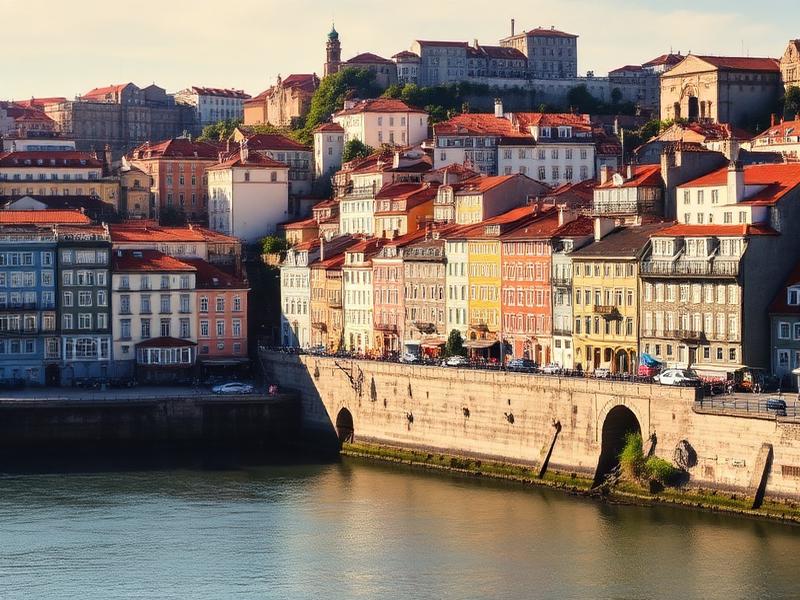
Porto is a compact, working city with a strong year-round identity and a coastline on its doorstep.
- Airport
- Porto (OPO), with wide European coverage
- Character
- Historic city, Atlantic coast and a dense wider region
- Property mix
- Apartments, refurbished buildings, coastal houses
- Getting around
- Metro, buses and trains inside Greater Porto
- Season
- Year-round; the Atlantic climate is cooler and wetter than the south
Quick comparison
A first, qualitative view of how the regions differ. Use the comparison tool for a version built around your own priorities.
- Airport access
- HighAirport access: High
- Beach access
- MediumBeach access: Medium
- City life
- Very HighCity life: Very High
- Year-round living
- Very HighYear-round living: Very High
- Access to healthcarePortugal offers established public and private healthcare. This indicator compares regional access to major hospitals, specialist services and higher-complexity care, rather than the overall quality of healthcare.
- Very HighAccess to healthcare: Very High
- Seasonality
- LowSeasonality: Low
- International community
- MediumInternational community: Medium
- New-build availability
- MediumNew-build availability: Medium
- Resort availability
- LowResort availability: Low
- Golf access
- LowGolf access: Low
- Surf conditions
- HighSurf conditions: High
- Family lifestyle
- HighFamily lifestyle: High
- Culture and restaurants
- Very HighCulture and restaurants: Very High
- Remote working
- HighRemote working: High
- Lower price levels
- HighLower price levels: High
- Nature and outdoors
- HighNature and outdoors: High
- International schools
- HighInternational schools: High
- Rental demand
- HighRental demand: High
- Peace and quiet
- MediumPeace and quiet: Medium
- Public transport
- HighPublic transport: High
- Non-car dependency
- MediumNon-car dependency: Medium
- SafetySafetySafety is rated at national level: Portugal ranks in the top tier of global peace and safety indices, so all regions are shown at the same 5-star level rather than being ranked against each other.
- Very HighSafety: Very High
Ratings are editorial indicators designed to help compare regions. They are not financial or investment rankings.
Who the region suits
Porto rewards buyers who want a real city rather than a holiday base.
Full-time residents
A complete city with healthcare, universities and services at a manageable scale.
City buyers
Walkable neighbourhoods, culture and restaurants that operate all year.
Remote workers
Good connectivity, a compact centre and access to the coast and the Douro valley.
Less suited to
Buyers whose priority is guaranteed sunshine, resort infrastructure or golf.
Key sub-areas
Greater Porto covers city districts, coastal towns and the wider north.
Porto centre
- Character
- Historic districts and refurbished buildings
- Typical buyer
- City buyers and pied-à-terre owners
- Seasonality
- Low
- Lifestyle
- Walkable, cultural, dense
- Property mix
- Period apartments and refurbishments
Foz do Douro
- Character
- Where the river meets the Atlantic; the city's established residential area
- Typical buyer
- Families and long-term residents
- Seasonality
- Low
- Lifestyle
- Promenade, restaurants, sea air
- Property mix
- Large apartments and houses
Vila Nova de Gaia
- Character
- Across the river, from port cellars to coastal suburbs
- Typical buyer
- Buyers wanting space near the city
- Seasonality
- Low
- Lifestyle
- River frontage, beaches to the south
- Property mix
- Modern apartments, houses, new developments
Matosinhos
- Character
- Working port, beaches and a strong food culture
- Typical buyer
- Year-round residents and coastal buyers
- Seasonality
- Low to medium
- Lifestyle
- Beach, metro to the city, everyday services
- Property mix
- Apartments and townhouses
Greater Porto
- Character
- Maia, Gondomar, Valongo and neighbouring municipalities
- Typical buyer
- Buyers prioritising space and value
- Seasonality
- Low
- Lifestyle
- Suburban, car-oriented, close to the airport
- Property mix
- Houses, apartments, newer estates
Braga and northern alternatives
- Character
- University city and the wider Minho region
- Typical buyer
- Buyers considering a quieter northern base
- Seasonality
- Low
- Lifestyle
- Compact city life, countryside within reach
- Property mix
- Apartments, townhouses, rural properties
Property types
Apartments and refurbished buildings dominate; resort stock is limited.
Buying a home
Apartments and houses for personal use.
Read the guideOff-plan and new build
New schemes and building refurbishments.
Read the guideInvestment property
What to check if letting is part of the plan.
Read the guide
Lifestyle and year-round living
The north runs on a normal calendar rather than a tourist season.
- Public and private hospitals, universities and full municipal services.
- A smaller but growing international community compared with Lisbon or the Algarve.
- Restaurants, markets and cultural venues stay open through the winter.
- Atlantic weather: milder summers, cooler and wetter winters than the south.
- The Douro valley, Gerês and Galicia are all within a short drive.
Access and transport
Porto is compact and comparatively easy to move around.
- Airport
- Porto airport connects to most of Western Europe and is 20-30 minutes from the city by metro.
- Metro
- Covers the city, the airport, Matosinhos and parts of Gaia.
- Rail
- Direct services to Lisbon and regional lines through the north.
- Road
- Dense motorway network; a car is more useful outside the metro footprint.
New developments and refurbishment
Much of the new supply in central Porto is building refurbishment rather than new construction, with the same practical requirements as off-plan: licensing, staged payments and a habitation licence at the end. Newer estates are more common in Gaia, Matosinhos and Greater Porto.
Buying off-planPractical trade-offs
Strengths and constraints, without investment claims.
Strengths
- A genuine year-round city with low seasonality
- Strong public transport for a city of its size
- Coast, city and countryside within a short radius
- An international airport with wide European coverage
- Deep cultural and restaurant offer
- Well-established healthcare and university infrastructure
Trade-offs
- A cooler, wetter Atlantic climate than southern Portugal
- Fewer resort, golf and managed-scheme options
- A smaller international community than Lisbon or the Algarve
- Historic buildings frequently need significant renovation
- Short-term rental is restricted in parts of the historic centre
The buying process here
The purchase process is national, not regional: reservation, promissory contract (CPCV), due diligence and the deed follow the same sequence everywhere in Portugal. What changes locally is the property type, the documentation and the questions worth asking before you commit.
See how to buyCosts and taxes
IMT, Stamp Duty, notary and registration costs are set nationally and depend on the price, the property type and whether the home will be your main residence. Madeira and the Azores apply their own regional IMT tables.
If you are buying from abroad
A NIF, a Portuguese bank account or a payment route, and clear representation arrangements matter more than the region you choose. The country guides set out what changes depending on where you live.
Buyer GuidesCompare this region
See this region next to one or two others, weighted by the things that matter to you.
Compare with other regionsFrequently asked questions
Frequently asked questions
Yes. It is a working city with year-round healthcare, schooling, transport and services, and it does not depend on a tourist season.
Cooler and wetter. Porto has an Atlantic climate with mild summers and rainy winters, while the Algarve is Mediterranean with hot summers and dry winters.
Not inside the metro and bus footprint, which covers the city, Matosinhos and parts of Gaia. Outside Greater Porto a car becomes necessary.
Very few compared with the Algarve. The northern market is mainly apartments, houses and refurbishments rather than managed resort schemes.
Before you commit to a specific property
Once you have identified a property, the focus shifts from choosing a location to checking that particular transaction: title, licensing, charges, condominium documents and contract terms.
Legal services are provided by Valente Veiga & Associados.
How this guide is maintained
This guide uses stable, qualitative information about each area: geography, transport, property mix, services and lifestyle. It does not publish asking prices, transaction prices or rental yields.
Ratings are editorial indicators designed to help compare regions. They are not financial or investment rankings.
Content reviewed on 1 August 2026. Data version 2026.1.
Current
Related guides
How to buy property in Portugal
The full purchase process, from first offer to deed and registration.
Costs and taxes
IMT, Stamp Duty, notary, registration and the recurring costs of ownership.
Purchase Cost Calculator
Estimate the taxes and fees on a specific purchase price.
Buyer Guides
Country-specific guidance for buyers based outside Portugal.
This guide is general information about Portuguese regions and the property buying process. It is not legal, tax or investment advice, and it does not describe any specific property.
Ratings are editorial indicators designed to help compare regions. They are not financial or investment rankings.